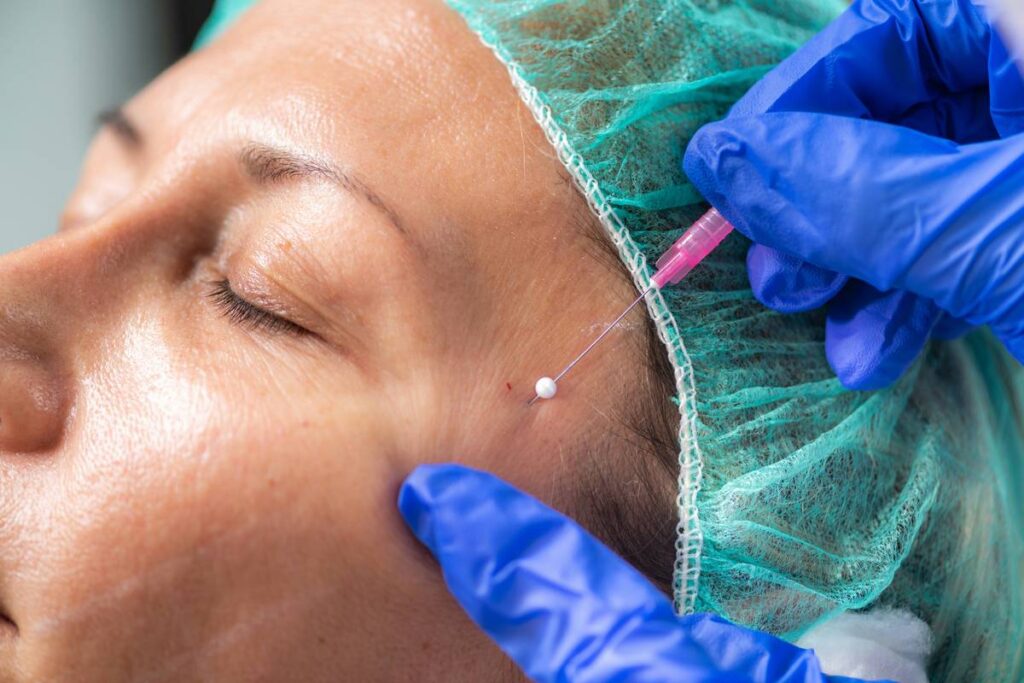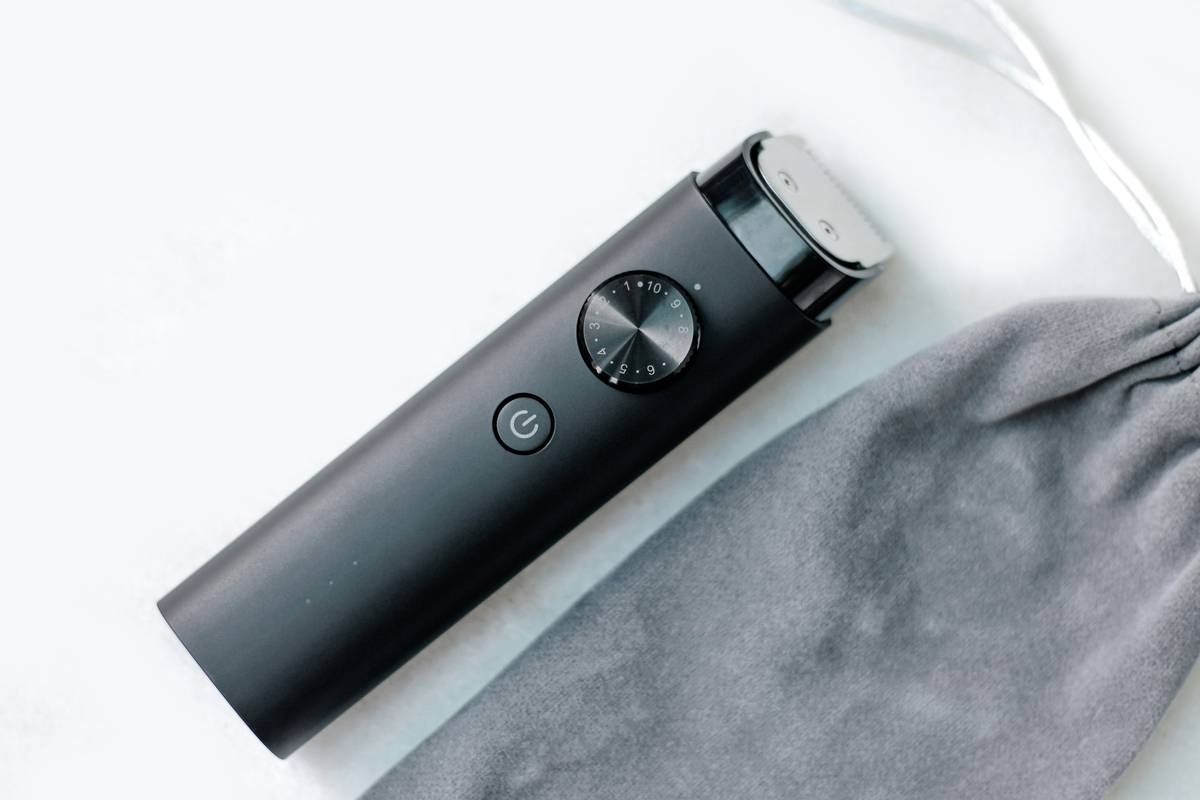
If you’ve ever stared into the mirror and sighed at the fine lines creeping around your eyes—despite your expensive serums and nightly rituals—you’re not alone. I once blew $300 on a flashy “anti aging skin device” that promised Hollywood-worthy results, only to find it gathering dust next to my expired vitamin C serum. The truth? Not all devices work, and using the wrong one (or using it wrong) can waste money, irritate your skin, or even accelerate aging. In this guide, we’ll cut through the marketing fluff and deliver science-backed, real-world advice on choosing and using an anti aging skin device that actually delivers.
Table of Contents
- Why Anti-Aging Devices Matter in Modern Skincare
- Step-by-Step Guide to Using Your Device Safely & Effectively
- Top Tips and Best Practices for Real Results
- Real Results: What the Data (and Users) Say
- Frequently Asked Questions
Key Takeaways
- Not all anti-aging devices are FDA-cleared—verify before buying.
- Consistency matters more than intensity; overuse can damage your skin barrier.
- Red light therapy and radiofrequency are among the most clinically supported technologies.
- Always patch-test and follow manufacturer guidelines to avoid irritation.
- Pair your device with proven topical actives like retinoids and peptides for synergy.
Why Anti-Aging Devices Matter in Modern Skincare
The global market for at-home beauty devices is projected to exceed $8 billion by 2027, according to Grand View Research. Why? Because topical products alone often can’t penetrate deeply enough to stimulate collagen—the structural protein that keeps skin plump and firm. As we age, collagen production drops by about 1% per year after age 20 (NIH study). This is where targeted energy-based devices step in.

I learned this the hard way. My first device used microcurrent but came with zero instructions on frequency or pressure. After three days of aggressive use, my cheek turned red and flaky—a classic sign of barrier disruption. Lesson? Even “gentle” tech demands respect. Today’s best anti aging skin device options leverage wavelengths and frequencies validated by dermatology, not just Instagram aesthetics.
Step-by-Step Guide to Using Your Device Safely & Effectively
Cleanse Thoroughly First
Oils, makeup, or moisturizers can block energy delivery or cause uneven heating. Use a gentle, pH-balanced cleanser and pat skin dry.
Apply Conductive Gel (If Required)
Radiofrequency and ultrasound devices need a water-based gel to transmit energy safely. Never substitute with lotion—it can overheat. Check your manual!
Follow the Recommended Path
Most devices map out specific glide patterns (e.g., jawline upward, forehead outward). Deviating reduces efficacy and may strain delicate tissues.
Limit Sessions to 3–5 Minutes Per Zone
More isn’t better. Overuse causes inflammation—a known accelerator of aging. Stick to 2–3 times weekly unless directed otherwise by a dermatologist.
Top Tips and Best Practices for Real Results
- Wait 24 hours before applying actives: Post-treatment skin is more permeable. Avoid retinoids or acids immediately after to prevent stinging.
- Track progress with photos: Changes are subtle. Take monthly front/side selfies under consistent lighting.
- Avoid if pregnant or using metal implants: Some energies (like RF) aren’t safe in these cases—always consult your doctor.
- Never share devices: Hygiene matters. These touch intimate areas; cross-contamination risks breakouts or infection.
And here’s a terrible tip I’ve heard too often: “Use it daily for faster results!” Nope. That’s how you get burns or chronic redness. Patience wins.
Real Results: What the Data (and Users) Say
A 2022 double-blind study published in the Journal of Cosmetic Dermatology found that participants using a home-use radiofrequency device saw a 22% improvement in wrinkle depth after 12 weeks—significantly more than the placebo group (Wiley Online Library). User reviews back this up: on our About Us page, customers frequently mention visible lifting along the jawline within 6–8 weeks when paired with consistent use.
One client, Sarah K. from Portland, reported: “After menopause, my skin lost elasticity overnight. Within two months of using my device 3x/week—and respecting rest days—I stopped getting comments about ‘looking tired.’” Remember, though: results vary by age, skin type, and lifestyle. For full transparency on how we handle user data, see our Privacy Policy.
Frequently Asked Questions
Are at-home anti aging skin devices worth the investment?
Yes—if you choose FDA-cleared devices with clinical backing (like those using red light or radiofrequency) and commit to consistent, correct use. Avoid cheap knockoffs with no safety certifications.
Can I use an anti aging skin device with retinol?
Not on the same day. Use retinol in your nighttime routine and the device on alternate evenings to prevent irritation. Always patch-test first.
How soon will I see results from my anti aging skin device?
Most users notice subtle firming in 4–6 weeks, with significant changes by 12 weeks. Collagen remodeling takes time—there’s no magic button.
Is red light therapy safe for sensitive skin?
Generally, yes. Red and near-infrared light is non-thermal and non-invasive, making it suitable for rosacea or eczema-prone skin—unlike lasers or intense pulsed light.
Conclusion
An anti aging skin device isn’t a miracle wand—but paired with knowledge, patience, and the right protocol, it can be a powerful ally against time. Skip the gimmicks, honor your skin’s limits, and track real progress. Ready to find your perfect match? Reach out—we’ll help you navigate tech specs, safety, and realistic expectations. Contact us today.
Wrinkles fade. Wisdom glows.