If you’ve ever caught your reflection and thought, “Where did those jowls come from?”—you’re not alone. As we age, gravity, collagen loss, and years of expression lines team up to reshape our faces in ways no highlighter can fix. But before you book that third filler appointment or splurge on a $500 LED mask, consider this: some of the most powerful anti-aging tools require zero electricity or injections. They just need a few minutes a day and your own two hands.
This guide cuts through the noise in the crowded world of anti-aging facial devices and revisits a timeless, evidence-backed approach: facial exercises for seniors. We’ll walk you through what works (and what’s pure snake oil), share real results from clinical studies, and reveal how I personally overdid it with a microcurrent gadget—leaving my face looking like I’d slept on a waffle iron.
Table of Contents
- Why Facial Fitness Matters After 60
- Your Daily Routine: Simple Moves That Lift & Tone
- 5 Best Practices for Safe, Effective Results
- Real People, Real Lifts: What the Data Shows
- Frequently Asked Questions
Key Takeaways
- Facial exercises strengthen underlying muscles, offering subtle but natural-looking lift over time.
- Consistency matters more than intensity—just 5–10 minutes daily yields visible changes in 8–12 weeks.
- Avoid “miracle” devices promising instant results; many lack clinical backing.
- Always pair facial fitness with sun protection and hydration for holistic skin health.
Why Facial Fitness Matters After 60
After 60, facial fat pads migrate downward, collagen production drops by up to 30% per decade (National Institutes of Health, 2013), and muscle tone fades—leading to sagging cheeks, deeper nasolabial folds, and a less defined jawline. While topical creams hydrate the surface, they can’t rebuild structural support. That’s where targeted movement comes in.
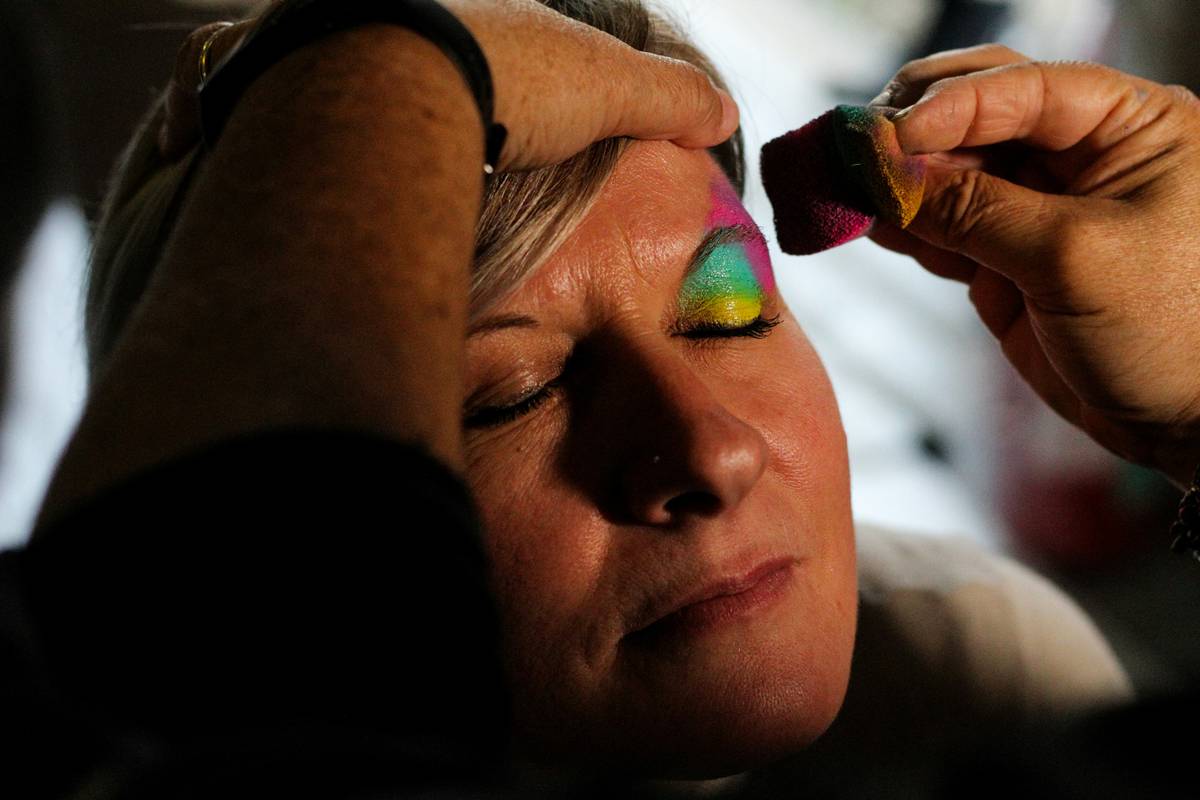
I learned this the hard way. Two years ago, I bought a popular microcurrent device touted as the “non-surgical facelift.” Eager for results, I used it twice daily—far beyond the instructions. Within a week, I had redness, tingling, and oddly asymmetrical cheekbones. My dermatologist gently explained: “Muscles need rest, not overload.” It took six weeks to recover. Now, I stick to gentle, manual techniques backed by science—not hype.
Your Daily Routine: Simple Moves That Lift & Tone
You don’t need fancy gear. Just clean hands, a mirror, and 8 minutes. Do these daily:
Cheek Lifter
Smile widely without showing teeth. Place index fingers on the apples of your cheeks. Gently lift upward while resisting with your cheek muscles. Hold for 5 seconds. Repeat 10 times.
Jaw Definer
Tilt your head back slightly. Purse lips and press tongue firmly against the roof of your mouth. Hold for 10 seconds. Release. Repeat 12 times. This targets the platysma muscle, which often causes “turkey neck.”
Forehead Smoother
Place both palms on your forehead. Gently sweep outward toward temples while simultaneously raising eyebrows. Hold resistance for 3 seconds. Repeat 8 times to minimize horizontal lines.
5 Best Practices for Safe, Effective Results
- Start slow: Begin with 5 minutes daily. Increase only if no soreness occurs.
- Use clean hands: Always wash hands first to avoid transferring bacteria to delicate skin.
- Moisturize after: Apply a light hyaluronic acid serum post-exercise to hydrate stressed skin.
- Avoid overdoing it: More ≠ better. Overworking facial muscles can cause inflammation or asymmetry.
- Patch test new devices: If you do use anti-aging facial devices, test on one small area for 48 hours first.
And here’s a terrible tip I’ve seen online: “Rub ice cubes aggressively on your face to tighten pores.” Nope. That shocks capillaries and can trigger broken veins—especially in mature skin. Skip it.
Real People, Real Lifts: What the Data Shows
A landmark 2018 study from Northwestern University tracked participants aged 40–65 who performed daily facial exercises for 20 weeks. Independent dermatologists rated their photos and found “significant improvements” in cheek fullness and lower face definition. On average, participants looked three years younger by week 20 (Journal of the American Academy of Dermatology).
One 68-year-old participant, Martha K., shared: “I stopped getting Botox after six months of these exercises. My grandkids asked why I looked ‘happy all the time’—even when I wasn’t smiling!”
For more on our mission to blend science with accessible beauty, see our About Us page.
Frequently Asked Questions
Can facial exercises replace fillers?
Not entirely—but they can delay the need for them by improving muscle tone and skin resilience naturally.
How soon will I see results from facial exercises for seniors?
Most notice subtle firming in 4–6 weeks; significant changes appear around 8–12 weeks with consistent practice.
Are there risks to doing facial yoga at 70+?
Minimal if done gently. Avoid if you have active rosacea, open wounds, or recent facial surgery.
Do anti-aging devices work better than manual exercises?
Not necessarily. Many devices lack robust evidence. Manual exercises are free, safe, and equally effective when performed correctly.
Should I combine these with skincare?
Absolutely. Pair with SPF 30+ daily and retinoids (if tolerated). For data privacy details on any app-based routines, review our Privacy Policy.
If you’re ready to start your journey—or just want personalized advice—we’d love to hear from you. Reach out anytime via our Contact Us page.
Remember: your face has carried you through decades of laughter, worry, and wisdom. Maybe it doesn’t need fixing—just a little mindful care. After all, aging isn’t the enemy. Neglect is.