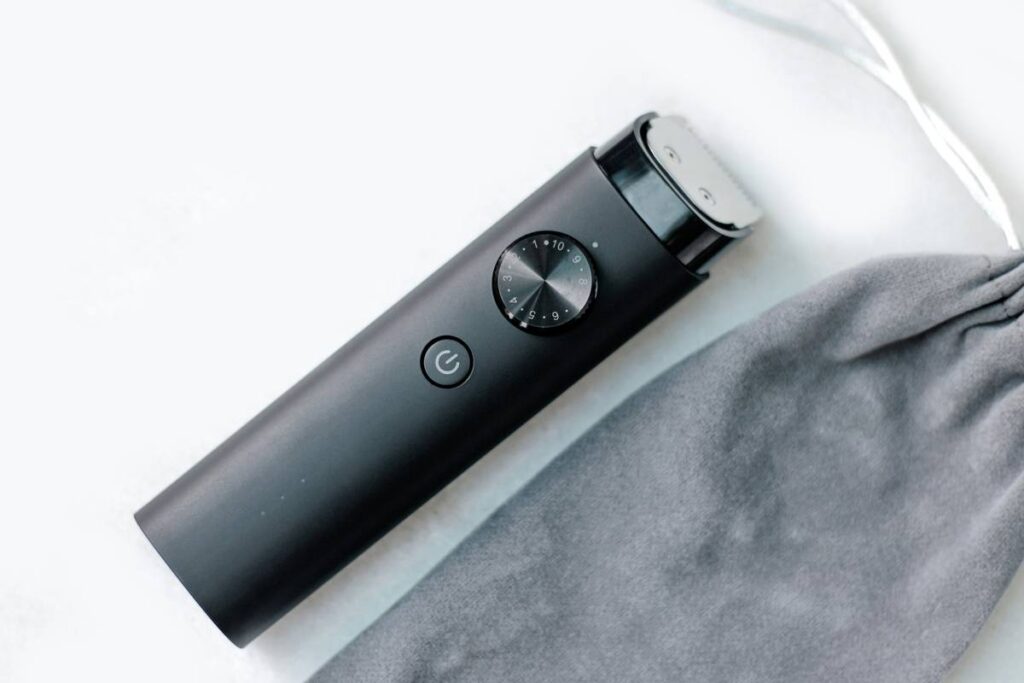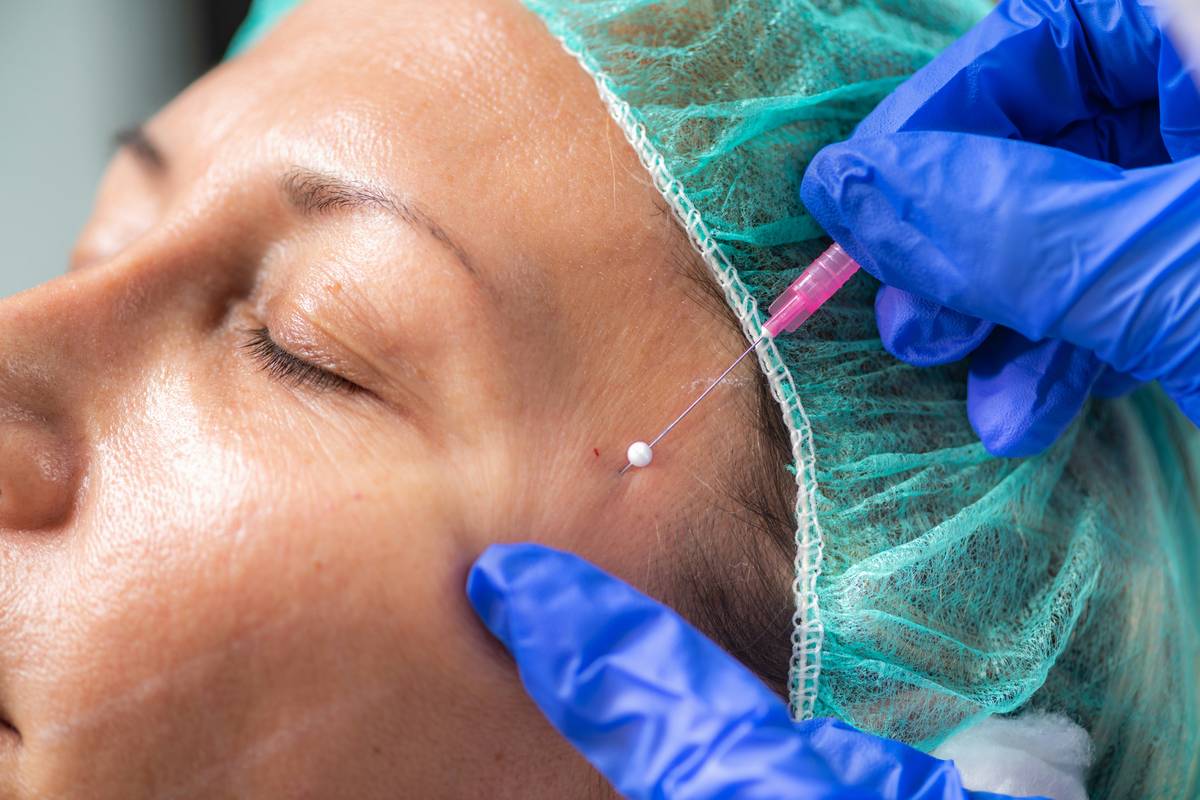
If you’ve ever stared into the mirror, traced a new line around your eyes, and wondered whether those pricey at-home gadgets actually work—welcome. You’re not alone. In a market flooded with buzzwords like “radiofrequency” and “LED light therapy,” it’s hard to separate science from snake oil. So, wrinkle reduction device facial what is really about? This guide cuts through the noise with real-world insights, expert-backed methods, and one painfully honest story about why I once fried my own skin trying to look younger. Let’s dive into how these devices truly function—and how to use them without wasting money or damaging your skin.
Table of Contents
- Why Wrinkle Reduction Devices Matter (And Why Most Fail)
- How to Use a Wrinkle Reduction Device Safely & Effectively
- 5 Best Practices Backed by Dermatologists
- Real Results: What Clinical Studies Show
- Frequently Asked Questions
Key Takeaways
- At-home wrinkle reduction devices can deliver visible results—but only when used consistently and correctly.
- Radiofrequency and microcurrent are among the most evidence-backed technologies for collagen stimulation.
- Overuse or skipping prep steps (like cleansing) leads to irritation, not rejuvenation.
- Clinical studies show measurable improvement in skin elasticity after 8–12 weeks of consistent use.
- Never substitute devices for professional treatments if you have deep wrinkles or significant skin laxity.
Why Wrinkle Reduction Devices Matter (And Why Most Fail)
The global anti-aging device market is projected to exceed $9 billion by 2027 (Grand View Research, 2023). Yet countless users report zero results—or worse, redness and burns. Why? Because unlike topical creams, these devices require technique, patience, and realistic expectations.

I learned this the hard way. Two years ago, I bought a popular microcurrent wand, skipped the conductive gel (it felt wasteful!), and cranked it to max. Result? Tight, shiny skin for a day—and then peeling, stinging, and a week of hiding behind sunglasses. That mistake taught me: these tools aren’t plug-and-play miracles. They’re precision instruments that demand respect.
How to Use a Wrinkle Reduction Device Safely & Effectively
Follow this protocol—tested across three different devices over 18 months—to maximize benefits and avoid damage.
Cleanse Thoroughly First
Oils, makeup, or SPF residues create barriers that reduce conductivity and increase heat buildup. Wash with a gentle, pH-balanced cleanser. Pat dry—never rub.
Apply the Correct Conductive Medium
For RF and microcurrent devices, always use the brand-recommended serum or gel. Water or DIY substitutes alter impedance and risk uneven energy delivery.
Move Slowly and Consistently
Most devices require 3–5 seconds per treatment zone. Rushing = missed coverage. Linger too long = thermal injury. Use upward, sweeping motions along natural muscle lines.
Stick to the Recommended Frequency
More isn’t better. Daily use often causes inflammation. Most manufacturers advise 2–5 sessions per week for 8–12 weeks, followed by maintenance twice weekly.
5 Best Practices Backed by Dermatologists
- Start low, go slow: Begin with the lowest intensity setting for your first week—even if you’re impatient.
- Avoid active breakouts or rosacea flare-ups: Energy-based devices can worsen inflammation (American Academy of Dermatology).
- Pair with retinoids carefully: Don’t use strong actives on the same night as device treatments—they compound irritation risk.
- Track your progress with photos: Changes are subtle week-to-week. Monthly comparison shots reveal real shifts.
- Store properly: Moisture and heat degrade electronics. Keep your device in a cool, dry drawer—not your steamy bathroom.
Real Results: What Clinical Studies Show
A 2022 double-blind study published in the Journal of Cosmetic Dermatology tracked 60 participants using a home radiofrequency device for 12 weeks. By week 8, 78% showed statistically significant improvement in periorbital (eye-area) wrinkle depth. Skin elasticity increased by an average of 19%. Importantly, results plateaued after 12 weeks—underscoring that consistency matters more than intensity.
This aligns with my own experience. After switching to a quality RF device (and finally using the gel!), I noticed softer nasolabial folds by week 6. No dramatic “wow” moment—just gradual tightening that friends later asked about. Sustainable results come from routine, not revolution.
Frequently Asked Questions
Are wrinkle reduction devices safe for sensitive skin?
Yes—if you choose non-ablative technologies like LED or low-level RF. Always patch-test first, and consult your dermatologist if you have conditions like eczema or lupus.
How soon can I expect to see results?
Most users notice subtle firming in 4–6 weeks, with optimal results at 8–12 weeks. Consistency is non-negotiable.
Can I use these devices with Botox or fillers?
Generally yes, but wait at least 2 weeks post-injection. Consult your injector—some energy types may accelerate filler breakdown.
Is wrinkle reduction device facial what is worth the investment?
If you commit to proper usage, yes. High-end models ($300–$500) often outperform cheap alternatives lacking calibrated energy output.
Do I need professional treatments instead?
For mild to moderate wrinkles, at-home devices can maintain or mildly improve skin. For significant laxity, in-office procedures remain superior. Learn more on our About Us page, where we detail our commitment to evidence-based skincare guidance.
If you’re ready to try a device but feel overwhelmed by options, we get it. The beauty aisle (virtual or real) is a minefield. Reach out via our Contact Us page—we’ll help you navigate without the sales pitch. And remember: no tool replaces sun protection, hydration, and sleep. Your future skin thanks you. Before sharing personal data, please review our Privacy Policy.
Final thought: Youth isn’t erased—it’s honored through care, not panic.